Chimney Pro Cleaners · Seneca, Oconee County
Chimney Cap Installation
Seneca SC
Chimney Pro Cleaners installs chimney caps for Seneca homes, from brick chimneys on older houses near the historic district to chase tops on newer construction elsewhere in Oconee County. Call 864-727-7460 or use the form below with your address and a ground-level photo, and we will help you choose the right cap.
Call 864-727-7460Free Phone Consultation with a Certified Technician
Talk Through a Seneca Chimney Cap
If you have your Oconee County tax map number handy, include it. We do not need it to talk about a cap, but it speeds things up if your project turns into larger chimney work that needs a permit.
On the call, describe the fuel and any trouble so far, such as a wet firebox, leaves on the grate or noises in the flue.
864-727-7460 ↗Seneca's historic district
What Should Owners Near Seneca's Historic District Know About Chimney Caps?
The Seneca Historic District was listed in the National Register in 1974, with a boundary increase in 1987.
The state's SC Historic Property Record, Seneca Historic District record describes the district as a mix of late 19th century houses, pre-World War I dwellings and homes from the mid-1920s, in a town that celebrated its centennial in 1973. Chimneys from those decades can have several flues, flue tile that was added well after construction, or crowns that have been patched more than once.
National Register listing by itself is an honor roll, not a permit rule, and a National Register listing does not tell you whether a given house is inside the district. What the record does tell us is that older masonry is part of the local mix, so on those chimneys we check the crown and tile closely before choosing a cap.
Rain in the far northwest
Why Does Chimney Cap Installation Matter for Seneca's Wet Weather?
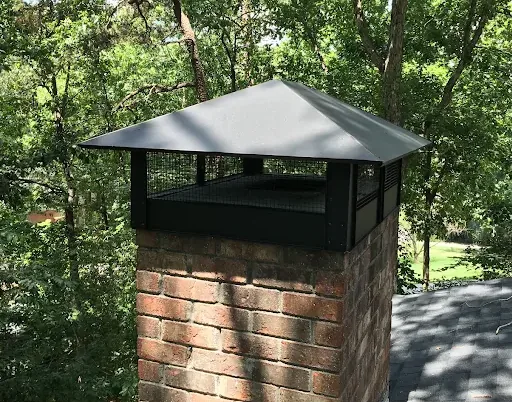
The NOAA state climate summary for South Carolina reports annual precipitation of more than 80 inches near Lake Jocassee in the northwest mountains, compared with under 39 inches in the driest part of the Midlands. Seneca is not at Jocassee, and we do not quote a Seneca total, but the state's wetter corner is the corner of Oconee County.
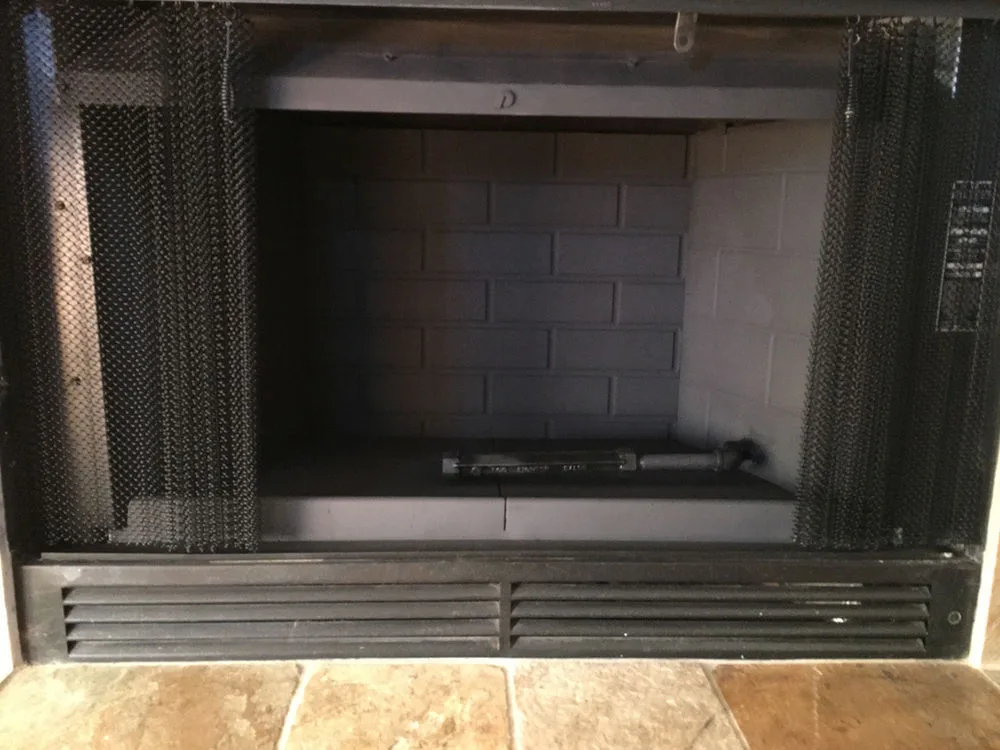
An uncapped flue collects that rain directly. Water runs down the tile onto the damper and smoke shelf, rusts the damper and can soften mortar joints from the inside. A screened cap with a solid lid sheds rain off the flue opening, and a sound crown sheds it away from the brick. Both matter, which is why we look at the crown on a cap visit.
City and county
Who Handles Permits for Chimney Work in Seneca?
Oconee County's Building Codes office runs permits through its CitizenServe portal, asks for the property's tax map number on every building permit application, and posts a document listing work that is exempt from permits. Inside city limits, the City of Seneca has its own Building Codes office, which handles building and roofing permits, and the city has a Board of Architectural Review. If your home is inside the city, ask the city whether your scope needs approval; outside it, Oconee County applies.
A straight cap replacement is a small job; a crown rebuild, liner or new chase is the kind of work to raise with the right office before starting.
Choosing the cap
Which Chimney Cap Fits a Seneca Chimney?
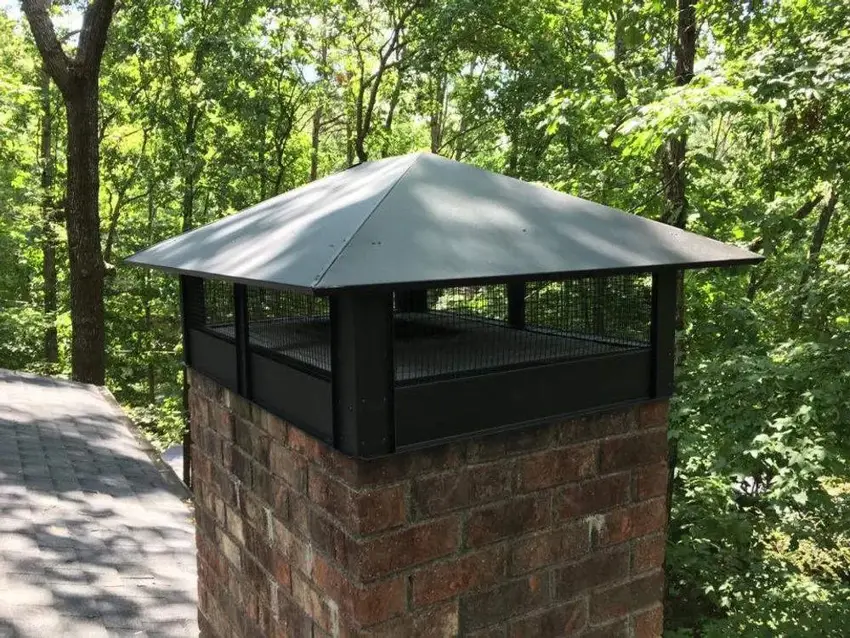
On a brick chimney with one clay tile above the crown, a single-flue screened cap is the usual answer. If several tiles sit close together, or the tile is flush with the crown, a cap that covers the whole crown may be a better fit. On older chimneys we pay attention to tile that is out of square, since stock caps assume standard sizes.
A sided chase on a newer home takes a metal chase cover and a termination cap that belongs to that chimney system. A gas furnace or water heater vent needs a cap listed for that vent, as the 2021 International Residential Code, Chapter 24 (G2427.6 gas vent termination with listed caps) requires. Stainless steel is our usual metal recommendation in this climate because it holds up to constant moisture.
Install visit
What Does a Seneca Chimney Cap Installation Visit Look Like?
The first conversation happens by phone around your picture, so nobody climbs anything until we know what the chimney vents and roughly what it needs. On the visit, our technician measures each flue and checks the tile and crown before touching anything.
If the crown needs repair, we stop and ask whether you want it fixed first or capped now. The cap is then fastened against wind but left removable for sweeping, and if you want photos for your records, ask when you book.
Keeping the screen clear
Can a Chimney Cap Screen Clog on a Seneca Wood Fireplace?
Yes. Wood smoke leaves creosote and soot, and on a heavily used fireplace that residue can build up on the cap's mesh. A clogged screen restricts the draft, so smoke may start rolling into the room when you open the doors or light a fire. The 2021 International Residential Code, a model code, calls for the screen's open area to be at least four times the flue outlet and the cap to be removable for cleaning, which is why we never fasten a cap so it cannot come off.
If your fireplace smokes more than it used to, stop using it and call us rather than reaching for the screen yourself.
Cost factors
What Affects Chimney Cap Installation Cost in Seneca?
Flue count, tile size and shape, cap style, metal, roof height and pitch, and crown repair all play a part. For broader background on styles see our chimney cap installation guide page, and for related masonry work see the South Carolina chimney services hub. Call 864-727-7460 to go over your chimney.
Caps, covers and access
Chimney Cap Installation Seneca SC FAQs
Discuss your chimney top before scheduling.
Call 864-727-7460 ↗
Does Seneca's National Register historic district require approval for a chimney cap?
National Register listing on its own does not create a local permit rule, and Seneca has a Board of Architectural Review. Check whether your address is inside any local district before exterior work. If you are unsure, ask the city whether your project needs approval.
Why does the Oconee County permit office ask for a tax map number?
The county requires it on building permit applications to identify the property. You can look it up through the county assessor. We do not need it for a phone consultation; whether your project needs a permit is a separate question for the permitting office.
Is it worth capping a chimney I light only a few times a year?
Usually, because rain enters an open flue whether or not you light a fire, and an open flue is an easy nesting spot. A screened cap keeps it dry while leaving the flue usable. A flue that no longer serves anything needs its status and ventilation checked first.
My chimney has three flues. Do I need three caps?
Not always. If the tiles sit close together on a sound crown, one cap covering the whole crown can protect all three. If one flue vents a gas appliance, it may need its own listed cap.
Can I put the cap on myself if I buy one?
We advise against it. Working on a chimney top means roof access and fall risk, and a cap that is the wrong size or blocks a gas vent creates a safety problem. Our technician measures and installs with proper equipment.
Part of our South Carolina service network
Chimney Cap Help Near Seneca
Nearby, see Clemson chimney cap installation, chimney caps in Central, chimney caps in Pickens, Anderson chimney cap installation and Easley chimney cap installation.
For a property elsewhere in South Carolina, start with our South Carolina chimney repair hub, or read the company's general chimney cap installation guide. Those company guides may show a Georgia number; use 864-727-7460 for your Seneca inquiry. This page does not represent a staffed Seneca office.
References: SC Historic Property Record, Seneca Historic District · Oconee County Building Codes · NOAA/NCICS State Climate Summary, South Carolina · 2021 International Residential Code, Chapter 24 (G2427.6 gas vent termination with listed caps) · City of Seneca Building Codes (building and roofing permits; Board of Architectural Review)
Have your property address ready
Request a Seneca Chimney Cap Consultation
Stay connected
Chimney Social
Meet the brand. Follow the conversation.