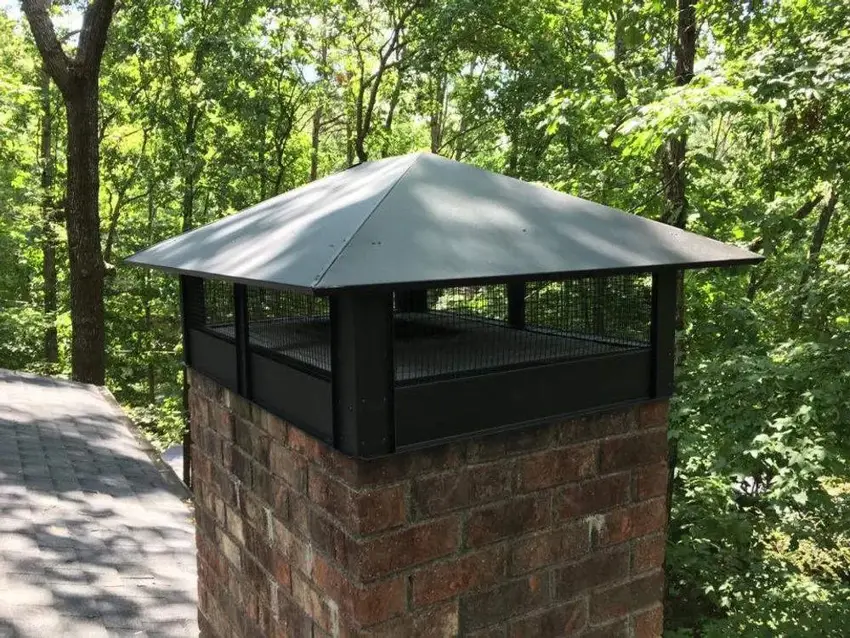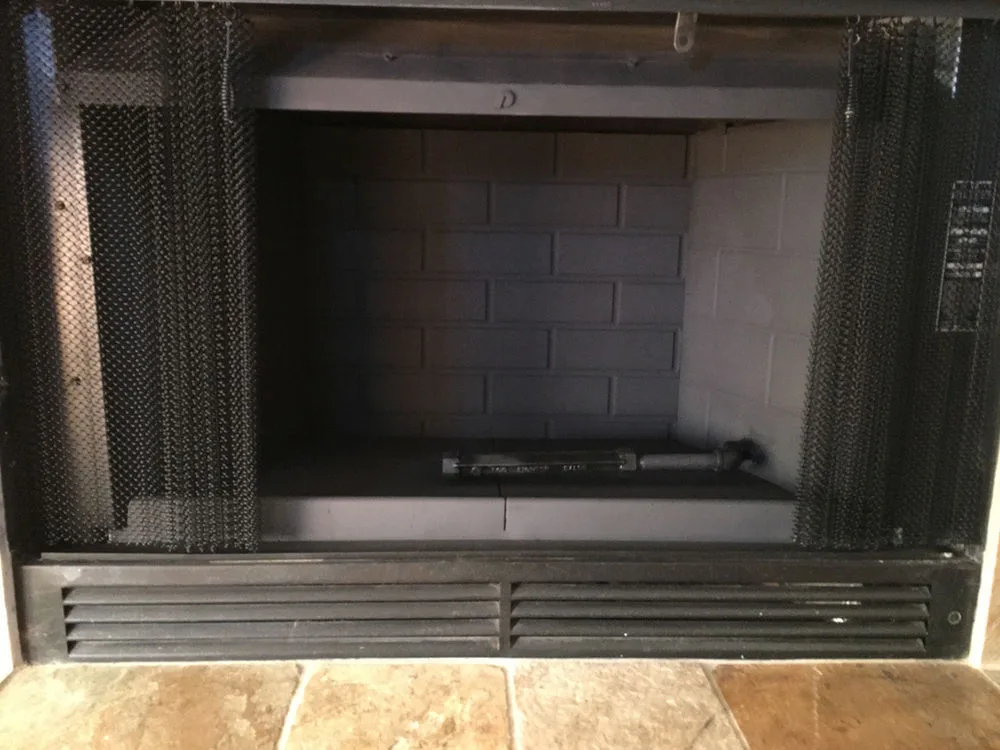
Clamp-on single-flue cap
The least invasive choice for an older brick chimney; it grips the tile and leaves the masonry untouched.
Chimney caps for Old Village and the rest of Mount Pleasant
Chimney Pro Cleaners installs and replaces chimney caps for Mount Pleasant houses, with extra care for chimneys inside the Old Village Historic District. Call 864-727-7460 or use the form with your address and a photo of the chimney top, and we will plan a cap that protects the flue without stripping away original features.
Call 864-727-7460Free Phone Consultation with a Certified Technician
Mount Pleasant sits entirely in Charleston County, and the town has its own historic district rules for part of the Old Village. If your house is between Shem Creek and McCants Drive, mention that first.
Outside that area, the chimney type and the condition of the crown decide most of the plan. A ground-level photo of the top, plus a note on whether any old cap is still in place, gets us started.
864-727-7460 ↗Historic district
Possibly, but in a way that keeps what is already there. The town's guidelines tell owners of historic buildings not to remove roof features such as capping and chimney stacks.
The Town of Mount Pleasant Old Village Historic District Guidelines (2025) are direct on this point. On historic buildings, do not remove cresting, capping, chimney stacks or dormers. The word capping there likely refers to original masonry capping and roof trim, not a modern metal rain cap, but that distinction is exactly the kind of thing to settle with town staff rather than assume.
So our approach in the district is additive and reversible. We look for a cap that clamps to the existing flue tile without cutting or removing an original corbel, stone cap or brick course. If a historic masonry cap is cracked, the conversation turns to repair, not replacement with metal.
The Old Village area on the National Register runs from Shem Creek to McCants Drive, and the town registered that portion in 1973. If you are unsure whether your house is a contributing building, the town's preservation staff can tell you.
Upkeep
The town's Town of Mount Pleasant Old Village Historic District ordinance lists deterioration of exterior chimneys among its examples of building deterioration, alongside failing roofs and ineffective waterproofing. For an owner, the practical reading is simple: a chimney left open to rain wears faster, and in a historic district that wear is something the town notices.
A cap slows the most direct form of that wear. Rain that would fall down an open flue lands on the hood instead, and the screen keeps nesting material out of the tile.
Materials
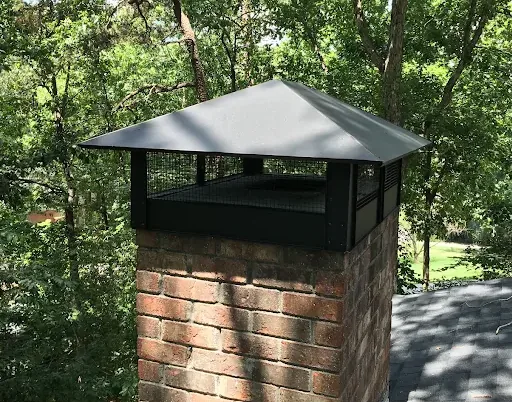
Salt in the air is hard on thin coatings. We generally steer Mount Pleasant owners toward stainless steel, or copper where looks matter on an older house. Galvanized caps cost less up front but tend to show rust sooner in coastal air, and rust streaks are hard to clean off stucco or painted brick.
The state climate summary from NOAA NCEI / NCICS South Carolina State Climate Summary 2025 notes South Carolina sea levels rose about seven inches between 1970 and 2020. That is a coastal trend, not a promise about any one roof, but it is one more reason to choose materials that tolerate damp, salty conditions.
Options
The least invasive choice for an older brick chimney; it grips the tile and leaves the masonry untouched.
Covers several tiles on one crown, best when the crown is solid enough for anchors.
For framed chimneys with a metal flue, the cover is custom sized and the termination follows the fireplace maker's listing.
A softer look that weathers to brown and green over time, often chosen where the chimney is part of the street view.
The chimney cap installation guide guide explains each style in more detail.
Process
If the house is in the Old Village district, we pause for you to check with town staff first.
We record flue sizes, crown condition and any original masonry features.
Clamp-on or outside-mount, chosen to avoid removing historic material.
Stainless fasteners, a check that the hood clears the flue properly, and no sealing of any working flue.
Next steps
Wind can loosen a cap, but it can also lift flashing or crack a crown. After a big blow, look from the ground for a tilted cap, missing screen or new stains on the ceiling near the chimney, and call us rather than climbing up. The South Carolina chimney services hub page covers the crown and flashing repairs we handle around the state.
Under the cap
The crown is the sloped masonry or mortar cap around the flue tile at the very top of the chimney. It sheds water off the brick. When it cracks, rain soaks into the masonry below whether or not a metal cap sits above the flue. On older chimneys the crown is sometimes just a thin wash of mortar that has broken into pieces.
We check the crown before anchoring anything to it. A sound crown can carry an outside-mount cap; a cracked one either needs sealing or rebuilding first, or the cap should clamp to the flue tile so it does not depend on failing mortar. In the Old Village district, a crown repair on a historic chimney is another detail worth raising with town staff.
Cost factors
Quotes follow measurement, and no prices are listed here. Copper costs more than stainless, and a custom cap shaped to clear original masonry capping costs more than a stock clamp-on. Flue count, crown condition and roof access set the rest. In the Old Village district, time for town staff input is part of the schedule, and any repair to historic masonry is discussed and priced separately before work starts.
Caps, covers and access
Discuss your chimney top before scheduling.
Call 864-727-7460 ↗
Ask town preservation staff before work. The guidelines say not to remove capping or chimney stacks on historic buildings, but they do not address adding a modern metal cap. A clamp-on cap that removes nothing is usually the easiest option to describe to them.
A little, and the amount depends on the style. A low black or copper cap barely changes the outline, while a tall polished one stands out. We can show you profiles before ordering.
It helps with rain entering the flue opening. A hood with good overhang sheds most sideways rain, but no cap stops water coming through a cracked crown or loose flashing. Those need their own repair.
Both handle salt air far better than galvanized steel. Stainless is the usual working choice and costs less, while copper is chosen for appearance and ages to a darker patina. We quote both after measuring.
Keep it if it can be kept. The town guidelines specifically mention not removing capping on historic buildings. We would look at repairing that masonry and, if appropriate, adding a small clamp-on rain cap to the flue tile only.
Part of our South Carolina service network
Nearby, see chimney cap installation in Sullivan's Island SC, Daniel Island chimney cap installation, Charleston chimney cap installation, James Island chimney cap installation, chimney cap installation in Isle of Palms SC and chimney cap installation in Awendaw SC.
For a property elsewhere in South Carolina, start with our South Carolina chimney repair hub, or read the company's general chimney cap installation guide. Those company guides may show a Georgia number; use 864-727-7460 for your Mount Pleasant inquiry. This page does not represent a staffed Mount Pleasant office.
References: Town of Mount Pleasant Old Village Historic District Guidelines (2025) · Town of Mount Pleasant Old Village Historic District ordinance · NOAA NCEI / NCICS South Carolina State Climate Summary 2025
Have your property address ready
Stay connected
Meet the brand. Follow the conversation.